Glass for Centuries: Lasvit’s Crystal Organ for St. Vitus Cathedral
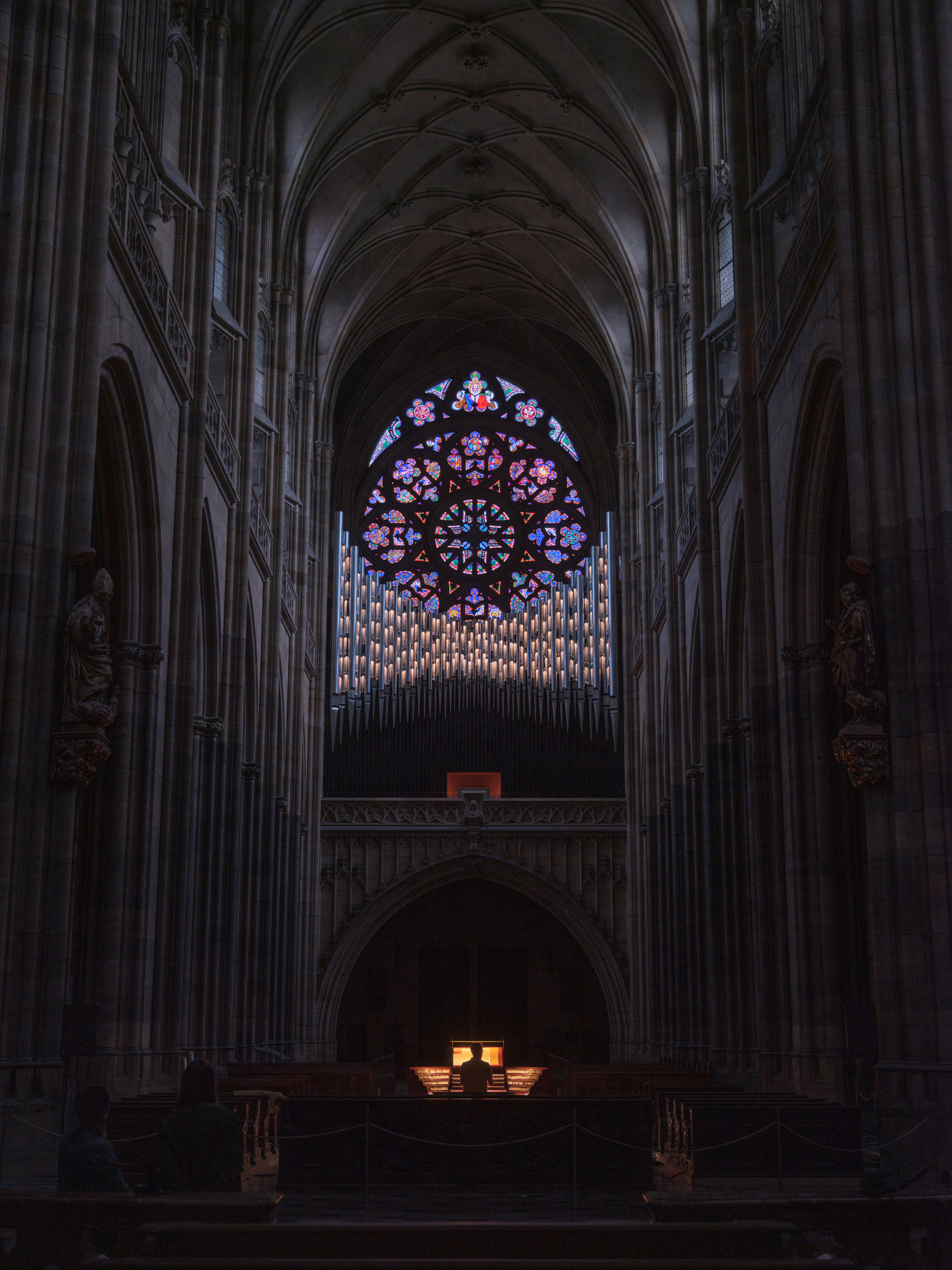
Lasvit has made history with the world’s first glass organ elements, created for the new concert organ at St. Vitus Cathedral in Prague. Placed among the pipes, 180 hand-blown crystal pieces unite Czech glassmaking craft with light, music, and Gothic architecture.
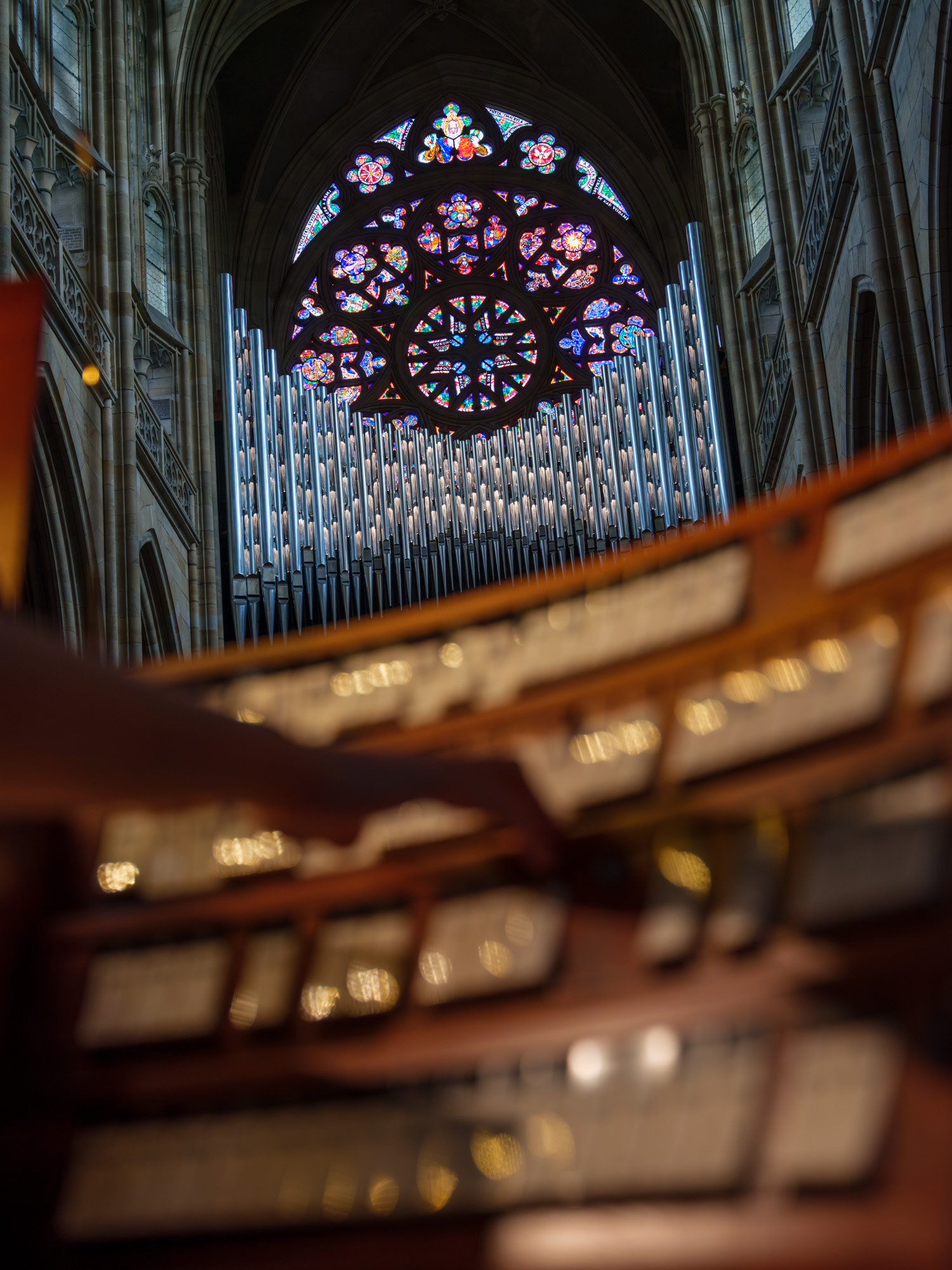
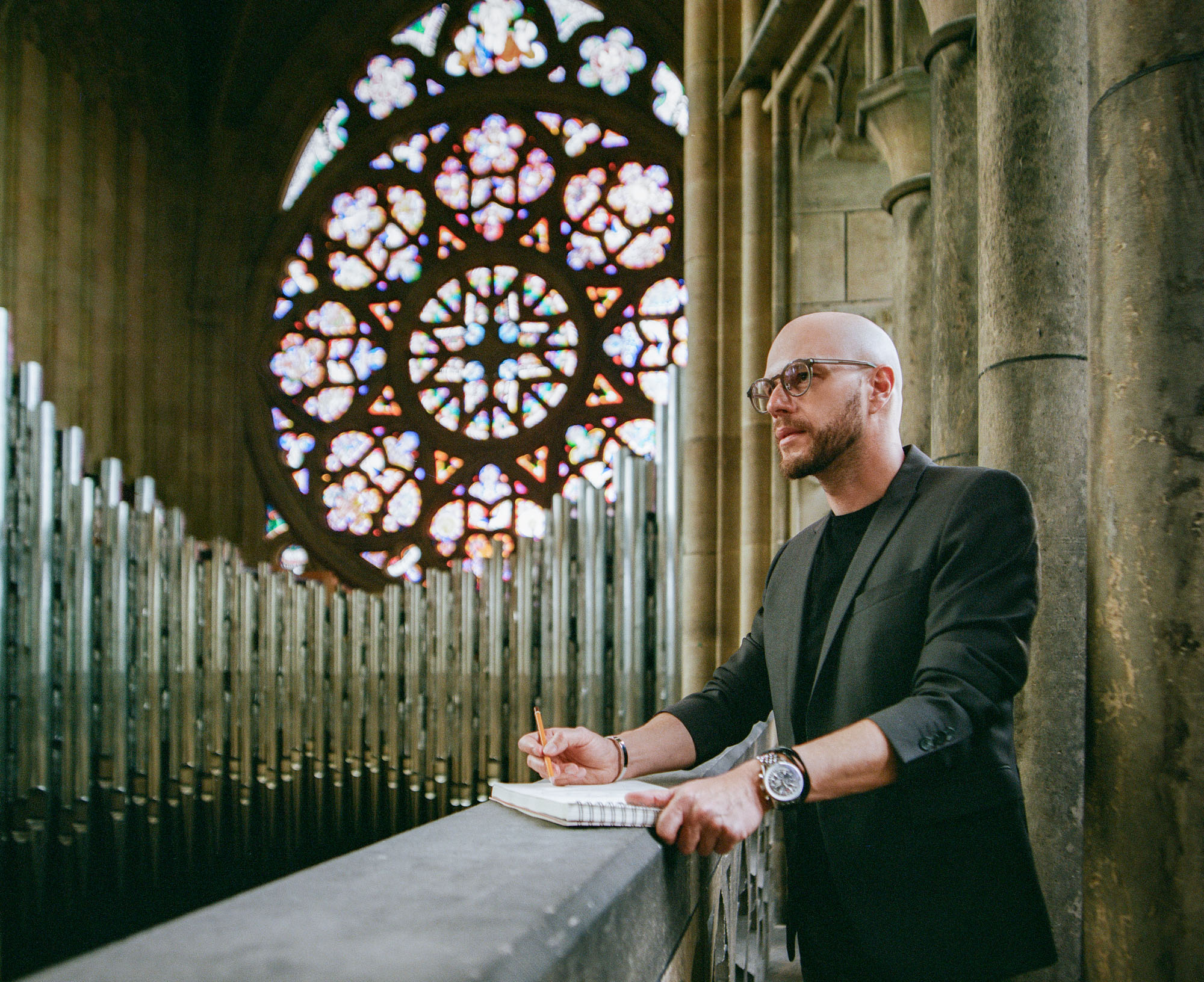
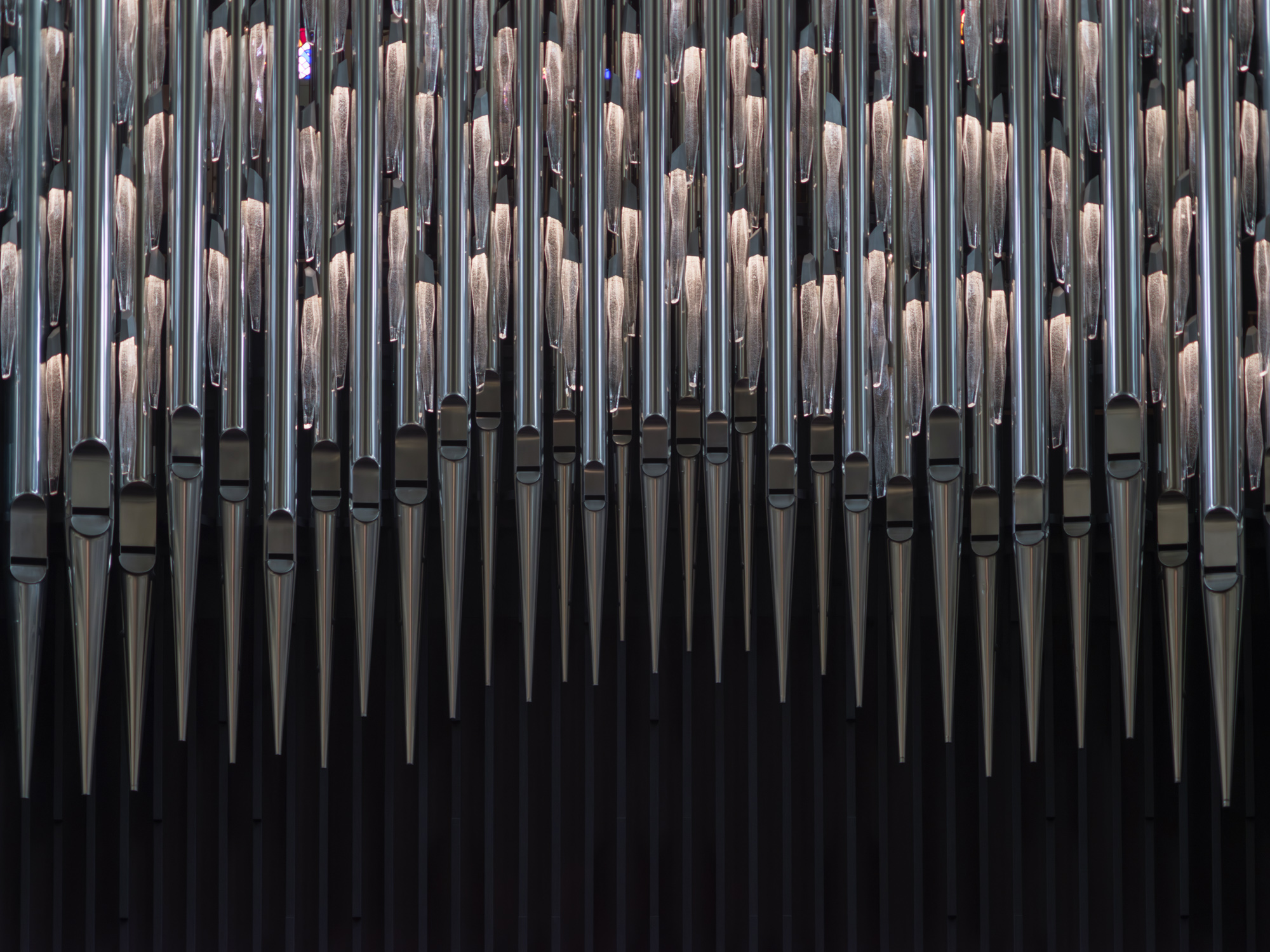
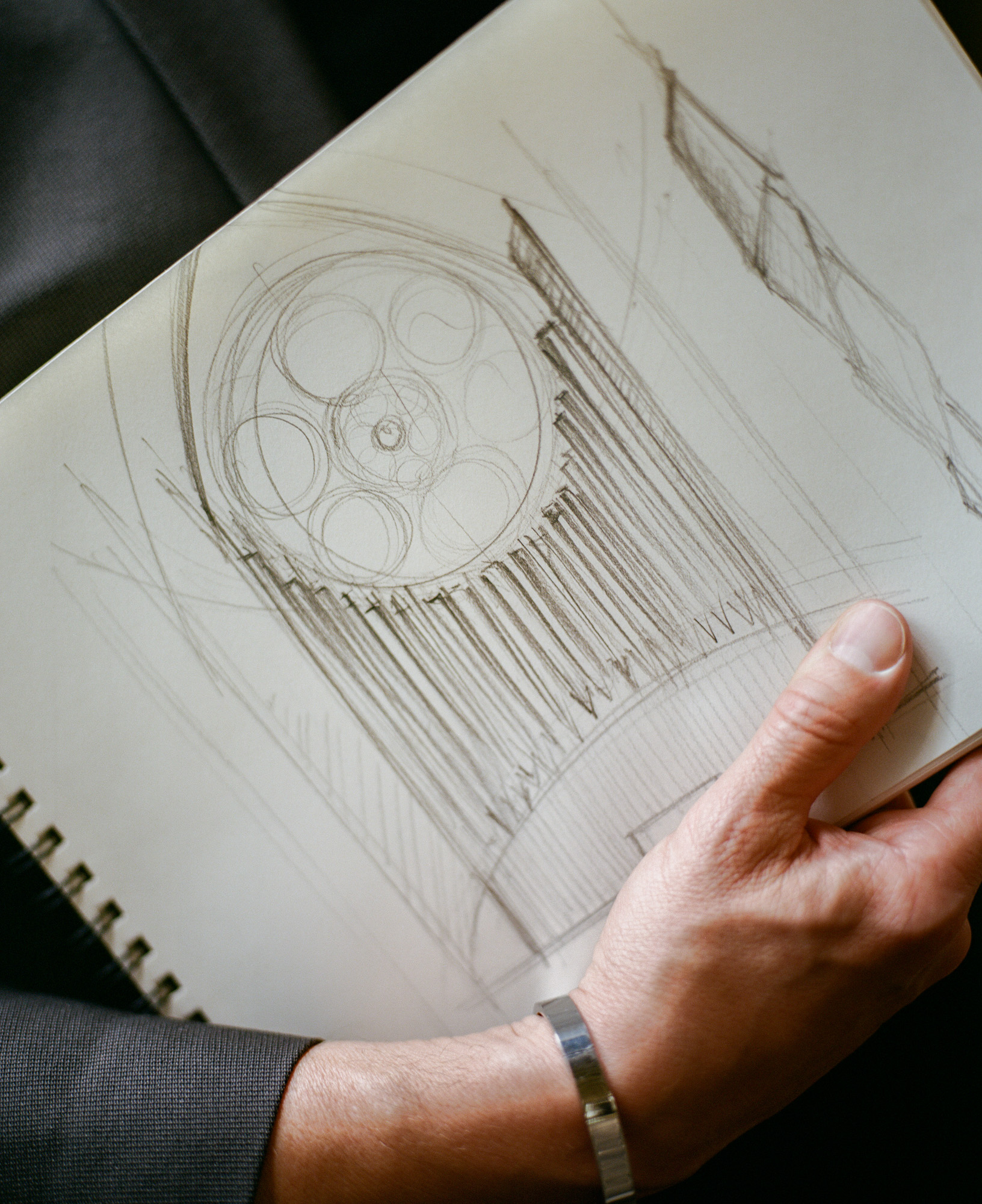
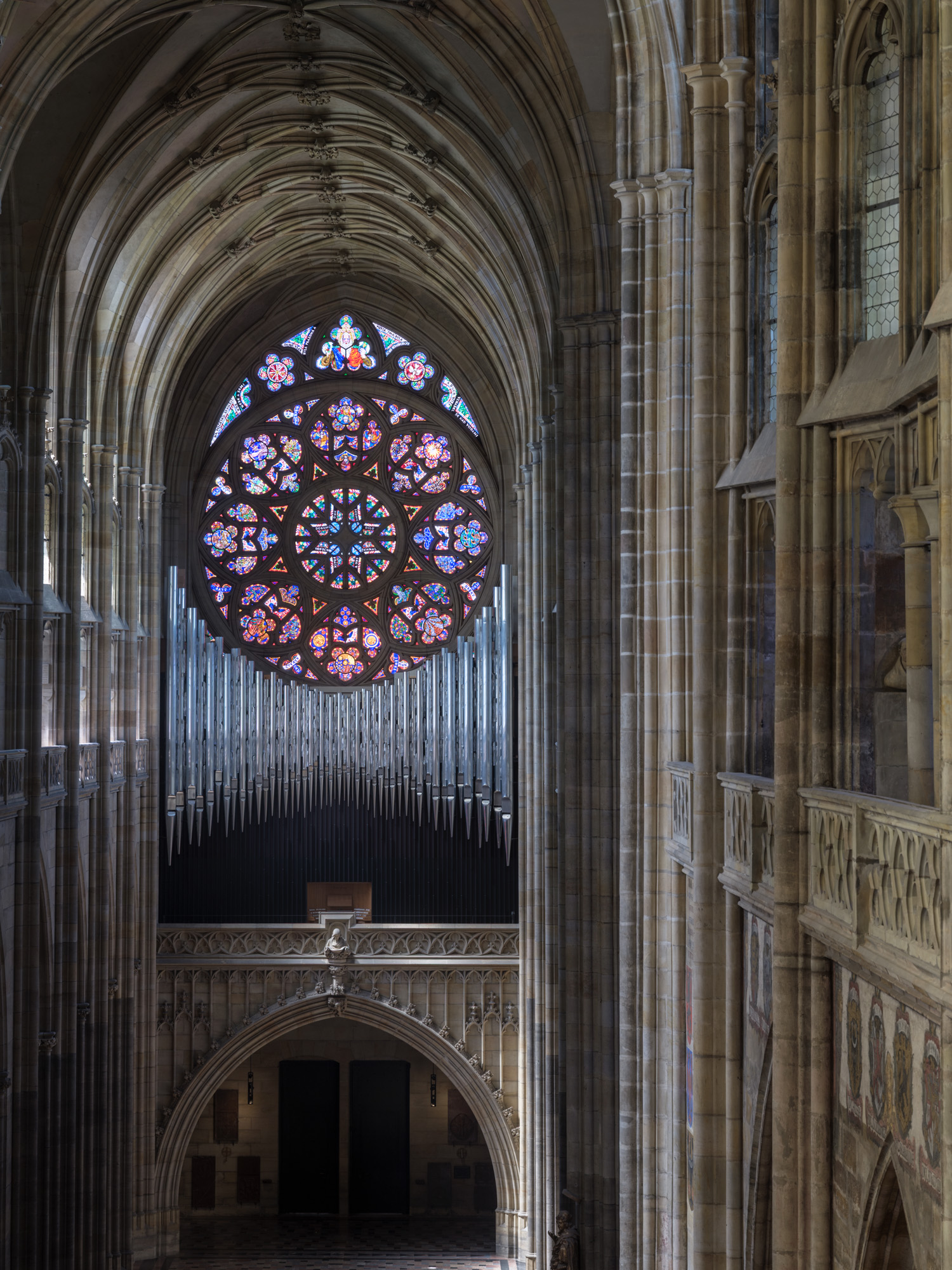
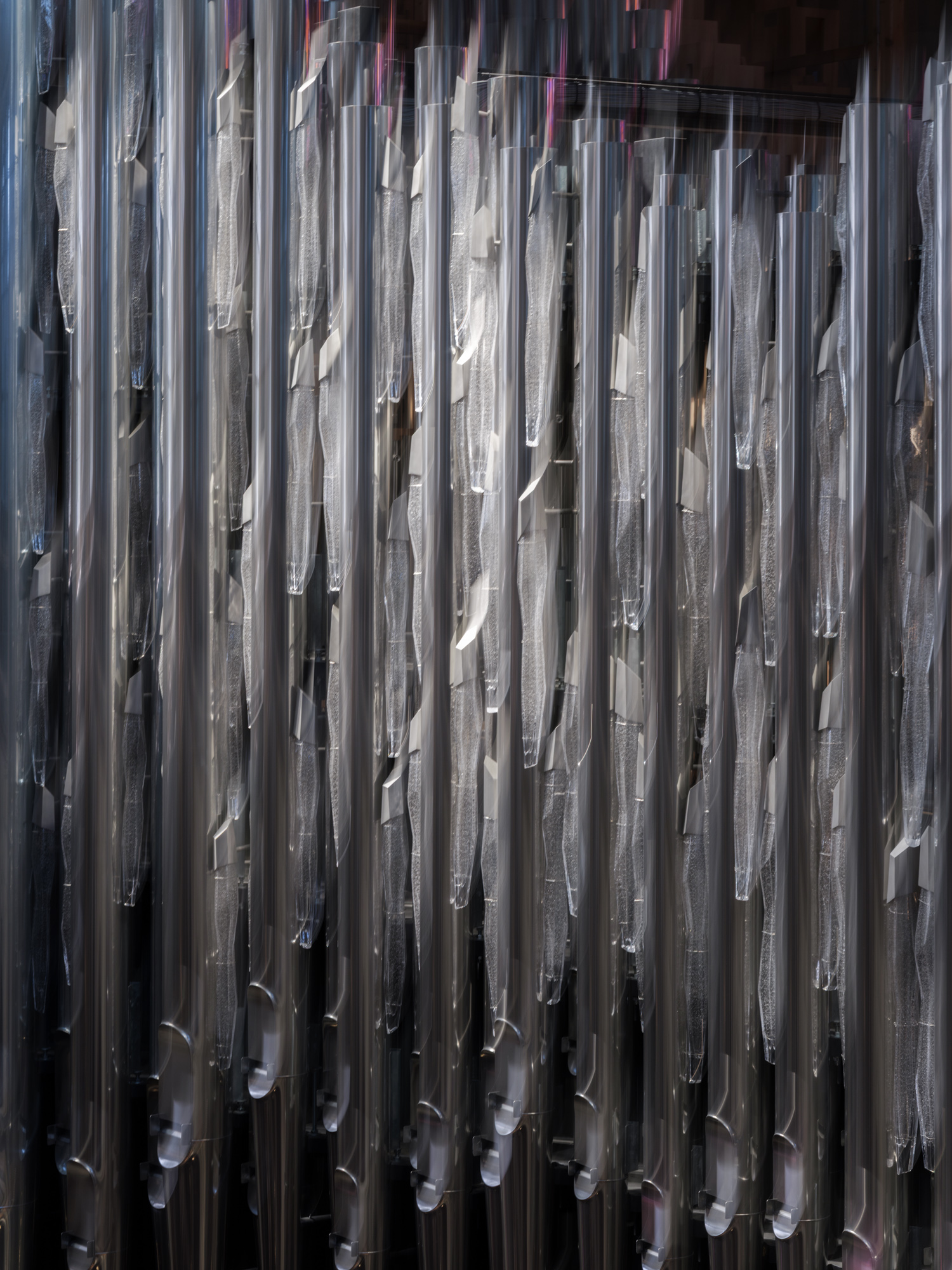
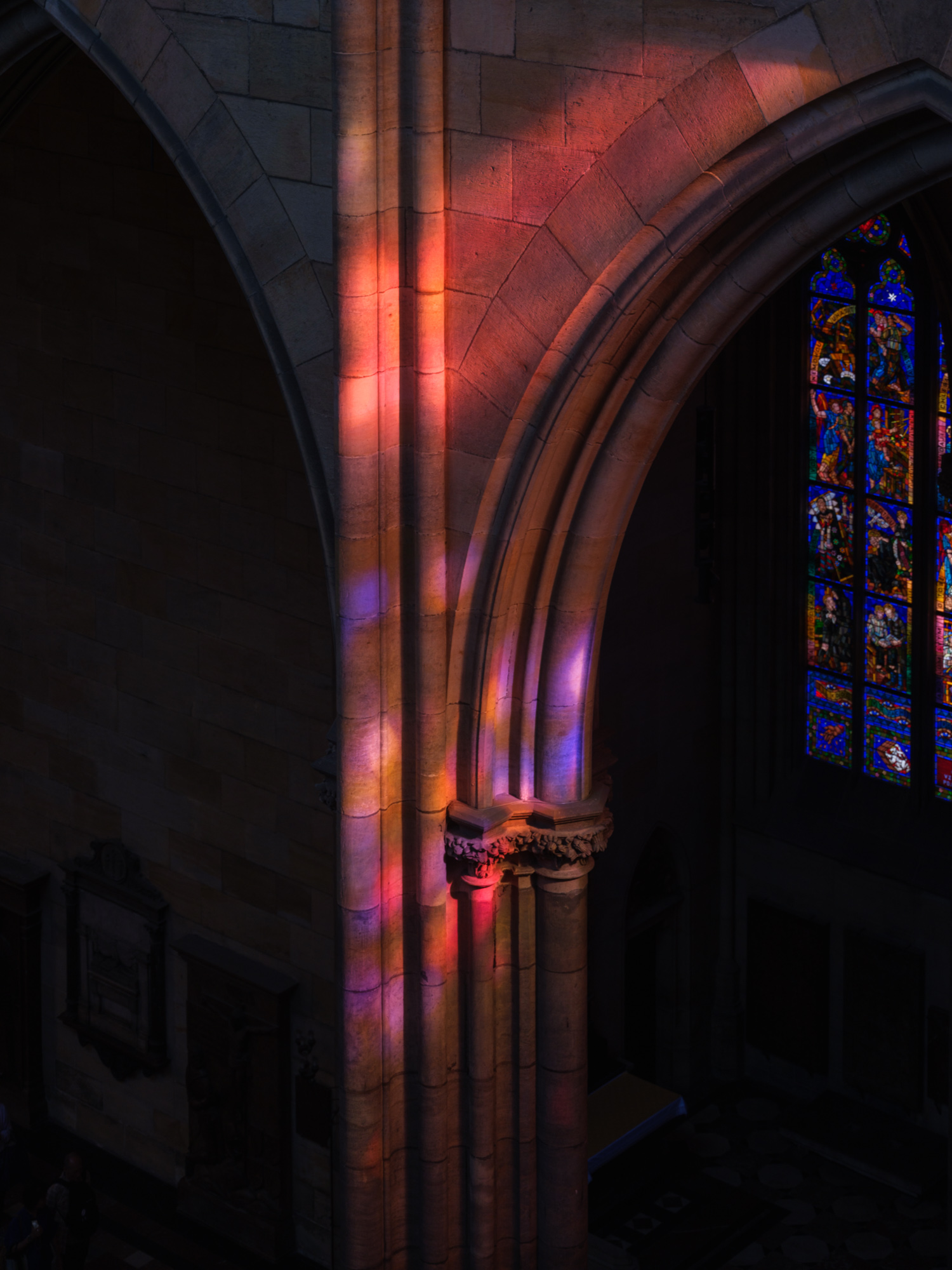
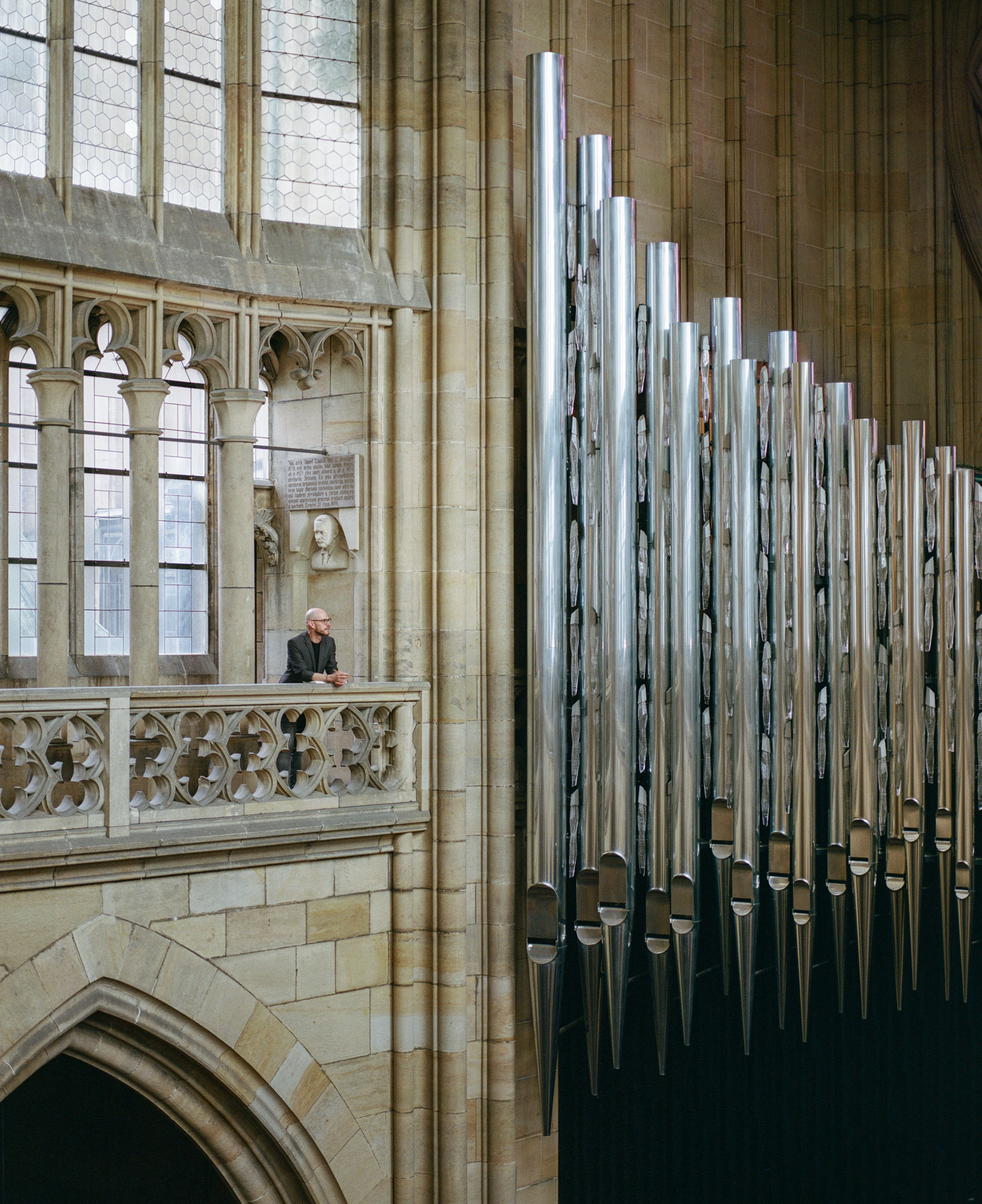
St. Vitus Cathedral in Prague has received a new crystal concert organ — a monumental instrument that brings together music, Gothic architecture, contemporary design, and Czech glassmaking craft. Created in collaboration with Grenzing, designer Peter Olah, and Lasvit, the organ features 180 hand-blown crystal elements placed directly among its front pipes, making glass an integral part of the instrument itself. The new crystal concert organ at St. Vitus Cathedral is one of the most significant cultural projects of recent decades. It was created for the monumental Gothic interior of the cathedral, where sound, architecture, light, and material meet in one carefully balanced whole. The instrument was developed in collaboration between the Spanish organ-building workshop Grenzing, designer Peter Olah, and Lasvit, whose crystal elements form an important part of the organ’s visual identity. The project connects several disciplines at once: traditional organ-building, Czech glassmaking, contemporary design, technical precision, and the historical architecture of one of Prague’s most important landmarks. The organ was built by Grenzing, a Spanish workshop known for its expertise in organ-building. The visual concept was created by designer Peter Olah of Škoda Design, while Lasvit contributed the hand-blown crystal elements made at its Ajeto glassworks in Nový Bor. Together, the partners created an instrument that had to respect the cathedral, its acoustics, its Gothic architecture, and its long cultural significance. "As a designer, I am used to thinking in millimetres. The cathedral forces you to think on the scale of centuries. That is why we aimed for the purest and most humble solution possible – a design that allows the space, light, and music itself to stand out." "From the very beginning, we knew we were not creating a work for today, but for future generations. Our goal was to create an ‘invisible design’ — an organ that is contemporary, yet so pure and restrained that it feels as if it has always belonged to this space. Its visible façade was designed to appear almost weightless, as if floating in the air." – Peter Olah The crystal elements created by Lasvit are not an external decoration. They are part of the visual concept of the instrument itself. In historical and contemporary organs, glass most often appears as part of the surrounding architecture or the space around the instrument. In St. Vitus Cathedral, however, the glass is integrated directly into the organ prospect, placed among the front pipes. This makes the project an exceptionally bold and innovative solution. It shifts the traditional understanding of organ design while remaining sensitive to the cathedral’s historic interior. The crystal elements respond to the Gothic space around them and to the rose window, which became one of the key sources of inspiration for the visual concept. The final form of the organ is the result of almost twelve years of development, testing, and interdisciplinary collaboration. Every design decision had to follow one essential rule: the sound of the organ could never be compromised by the design. The visual concept, the integration of the crystal elements, and the technical solution all had to serve the instrument as a whole. To test the influence of the glass elements on the acoustics, a functional prototype was created in the Grenzing workshop. Extensive testing followed to make sure the crystal elements would not negatively affect the sound of the organ. The result is an instrument in which technical precision, traditional craft, and contemporary design come together in harmony. The crystal elements were handmade at Lasvit’s Ajeto glassworks in Nový Bor, in the heart of Czech glassmaking tradition. Each element was hand-blown using traditional glassmaking techniques and then carefully refined so that it could capture and reflect light within the monumental space of the cathedral. To enhance the optical qualities of the glass, delicate additions of soda and mica were intentionally introduced into the material. These subtle particles create fine optical structures and help disperse the light entering through the rose window. In total, 180 crystal elements were installed into the organ prospect. The visual concept was inspired by the light passing through the rose window of the cathedral. Throughout the day, daylight passes through the coloured stained glass and transforms the atmosphere of the interior. The crystal elements were designed to capture this changing light and reflect it back into the space. In this way, the organ becomes closely connected to the cathedral itself. It does not only respond to the architecture, but also to the changing rhythm of light within it. The glass elements create a subtle connection between the organ pipes, the rose window, and the Gothic space, allowing light and material to become part of the instrument’s presence. The St. Vitus organ is unique because it brings glass directly into the visible façade of the instrument in a scale and context that is highly unusual. Rather than using glass as a surrounding architectural element, the project integrates hand-blown crystal elements directly among the front pipes. This creates a rare connection between the organ’s musical function and its visual expression. The design is contemporary, but deliberately pure and restrained. Its ambition is not to compete with the cathedral, but to belong to it. As Peter Olah describes, the aim was to create an "invisible design" — an instrument that feels contemporary, yet so natural in the space that it appears to have always been there. For Lasvit, the project represents a natural continuation of its long-term ambition to create works that go beyond design and become part of places with deeper cultural and spiritual meaning. "Glass here is not decoration or a fashionable gesture. It is part of the story of this place and a commitment to future generations. Just like the cathedral itself, the new organ was designed with the awareness that it will serve for decades and centuries. We are proud that Czech glassmaking craft can be part of such an extraordinary work." – Leon Jakimič, founder of Lasvit Explore dedicated St. Vitus Cathedral project page, follow Lasvit on Instagram or discover Lasvit’s latest projects. 
What is the new crystal organ at St. Vitus Cathedral?
Who created the St. Vitus Cathedral organ?
Why is glass used in the design of the St. Vitus organ?
How long did the development of the crystal organ take?
How were the Lasvit crystal elements made?
What inspired the visual concept of the St. Vitus organ?
What makes the St. Vitus crystal organ unique?
What does the St. Vitus organ mean for Lasvit?
Where to learn more?